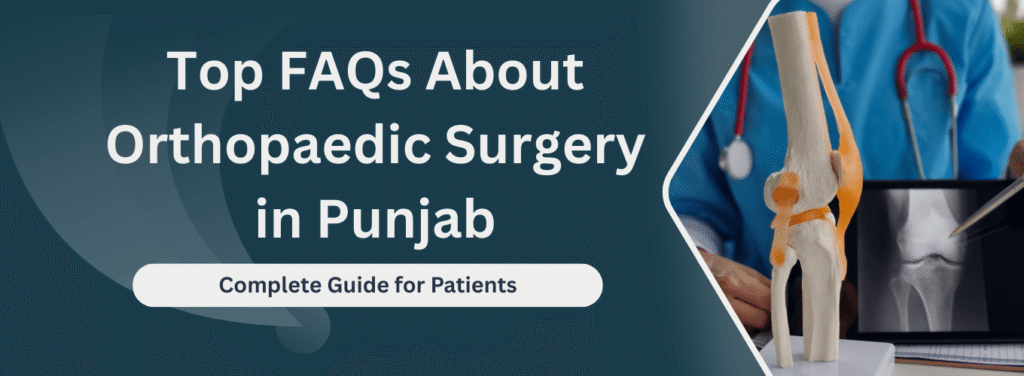
Top FAQs About Orthopaedic Surgery in Punjab – Complete Guide for Patients
Get advanced Orthopaedic Surgery in Punjab at our Batala hospital. Expert joint replacement, fracture & spine care. Book your consultation today.
EMC Super Speciality Hospital Batala

Blogs
Get advanced Orthopaedic Surgery in Punjab at our Batala hospital. Expert joint replacement, fracture & spine care. Book your consultation today.

Learn how to get rid of a headache fast, understand causes, prevention tips, and consult an expert Neuro Doctor for headache treatment.
Your Wellness, Our Mission Request a Callback Now! What Causes Alzheimer’s Disease? How It Damages the Brain Over Time December 3, 2025 EMC Hospital Batala Alzheimer’s disease is a progressive neurological disorder and the most common causes of momory loss (dementia), affecting millions of people worldwide. It slowly destroys memory, thinking skills, and the ability to carry out daily activities. While Alzheimer’s has no single known cause, researchers have identified several factors that contribute to its development and explain how it damages the brain over time. What Is Alzheimer’s Disease? Alzheimer’s disease is a degenerative brain condition characterized by the gradual loss of brain cells (neurons). As neurons die and connections between them break down, the brain shrinks and loses its ability to process and store information. Alzheimer’s typically worsens over time and progresses through stages—from mild memory loss to severe cognitive impairment and physical decline. What Causes Alzheimer’s Disease? There is no single cause of Alzheimer’s disease. Instead, it develops because of several problems happening in the brain over many years. These problems include harmful protein buildup, poor communication between brain cells, genetics, aging, and lifestyle factors. 1. Harmful Protein Buildup in the Brain One major cause of Alzheimer’s disease is the buildup of abnormal proteins in the brain. These proteins damage brain cells and stop them from working properly. 2. Loss of Communication Between Brain Cells Brain cells communicate with each other using chemical messengers. This communication helps us remember things, learn, and think clearly. In Alzheimer’s disease, this communication slowly breaks down. 3. Genetics and Family History Genes can increase the risk of developing Alzheimer’s disease, but they do not always cause it. There are two main types of Alzheimer’s related to genetics. 4. Aging and Changes in the Brain Age is the biggest risk factor for Alzheimer’s disease. As people get older, the brain becomes less able to repair itself. Blood flow to the brain may decrease, and harmful proteins may build up more easily. 5. Lifestyle and Health Factors Certain health problems and lifestyle choices increase the risk of Alzheimer’s disease. Heart disease, high blood pressure, diabetes, and obesity can reduce blood and oxygen flow to the brain. What Are the Symptoms of Alzheimer’s Disease? Symptoms of Alzheimer’s disease vary from person to person and worsen over time. Symptoms of the disease include: Memory loss. This is usually one of the first symptoms of Alzheimer’s disease. Putting objects in odd places Confusion about events, time and place Repeating questions Trouble managing money and paying bills Trouble performing/taking longer to perform familiar tasks Getting lost/wandering Not being able to sleep Changes in personality and behavior including agitation, anxiety and aggression Having groundless suspicions about family, friends and caregivers Poor judgment or reasoning Trouble recognizing family and friends Difficulty learning and remembering new information/recent events Difficulty performing multistep tasks, such as dressing or cooking Having hallucinations, delusions or paranoia Difficulty speaking/finding the right words Difficulty reading, writing and working with numbers Difficulty walking Difficulty swallowing How Alzheimer’s Disease Damages the Brain Over Time Alzheimer’s disease slowly damages the brain over many years. It begins in small areas and gradually spreads to larger parts of the brain. As the disease progresses, more brain cells stop working and die, leading to worsening symptoms. Take Action Today for Brain Health If you or a loved one are showing signs of memory loss, confusion, or other symptoms of Alzheimer’s disease, early diagnosis and treatment can make a difference. Consult our best neurologist in Batala today to discuss personalized care, treatment options, and strategies to manage Alzheimer’s effectively. Don’t wait—protect your brain health and get the support you need now. Book Consultation FAQs About Memoery What causes Alzheimer’s disease? Alzheimer’s disease is caused by a combination of factors rather than one single reason. The main causes include abnormal protein buildup in the brain, damage to brain cells, genetic risk, aging, and lifestyle factors such as poor heart health, lack of exercise, and chronic illness. How does Alzheimer’s disease damage the brain? Alzheimer’s damages the brain by killing brain cells and breaking connections between them. Harmful proteins build up in the brain, blocking communication between cells and leading to memory loss, confusion, and thinking problems over time. What happens in the brain before Alzheimer’s symptoms appear? Brain changes linked to Alzheimer’s can begin 10 to 20 years before symptoms appear. During this time, harmful proteins slowly build up, but the brain compensates for the damage. This is why early signs are often difficult to notice. Which part of the brain is affected first by Alzheimer’s disease? The hippocampus, which controls memory and learning, is usually the first part of the brain affected. Damage to this area causes early symptoms such as forgetting recent events and trouble learning new information. Why does Alzheimer’s cause memory loss? Memory loss happens because Alzheimer’s damages brain cells and reduces communication between them. As more cells die, the brain can no longer store or retrieve memories properly. Recent Posts What Causes Alzheimer’s Disease and Its Effects on the Brain January 8, 2026 | by admin Read More → Understanding Memory Loss (Dementia): Types & Causes of Memory Loss December 22, 2025 | by admin Read More → Understanding Arthritis: Causes, Symptoms, and Treatment December 3, 2025 | by admin Read More → Book Appointment Contact Us Name * Phone * Email Message Submit If you are human, leave this field blank. Specialities Orthopaedics Neurology Nephrology Gastroentrology Gynaecology Laparoscopic Surgery Oncology Internal Medicine Pulmonology Urology

Learn about memory loss and dementia, including types, early symptoms, and common causes of memory loss. Understand short-term and long-term memory issues and when to seek medical care.
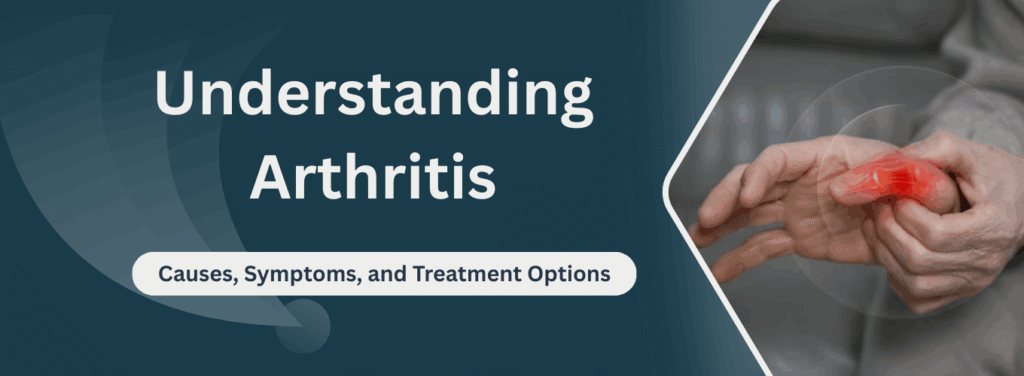
Understanding Arthritis: Causes, Symptoms, and Treatment Options
Nausea and vomiting are two of the most uncomfortable sensations a person can experience, and they can occur suddenly or develop gradually over hours or days. While they are usually temporary symptoms, they may also indicate an underlying medical condition that requires professional evaluation.